-
House No. 372, Old RGA Factory, Main Ferozepur Road، New Dera Mian Saeed, Lahore

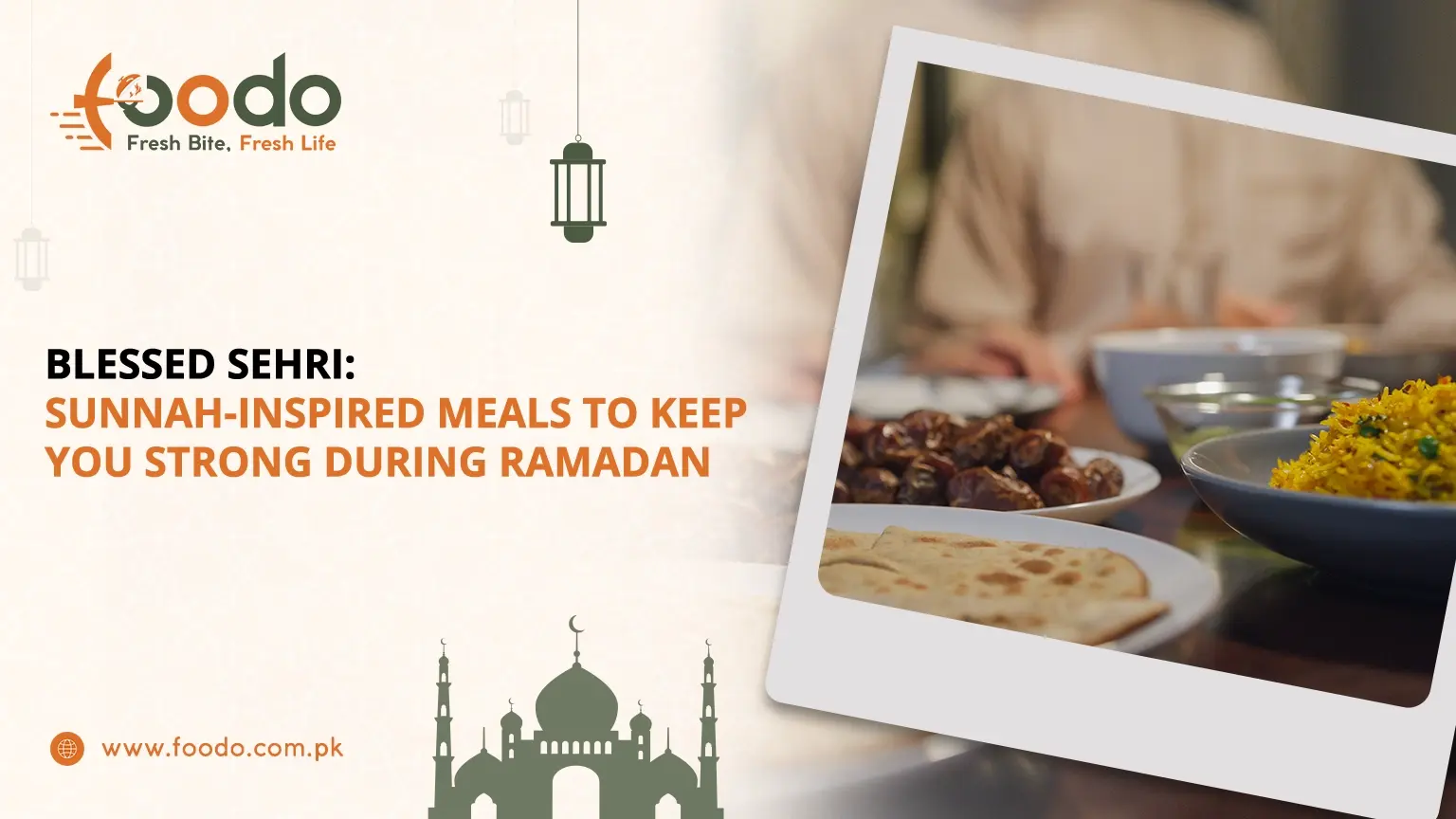
Sunnah Sehri meals Ramadan routine offers the spiritual and physical growth for Muslims to observe the fast. However, Sehri is more than a pre-dawn meal but it has a deep connection with the prophetic practices that help in endurance throughout the fasting hours. There are authentic hadees where Prophet Muhammad (peace be upon him) motivated the muslims to have sehri due to unlimited blessings in it. A well-organized and blessed sehri Ramadan offers you a routine that assists in maintaining energy, hydration, and keep you mentally active.
Various nutritions have confirmed that a well-balanced Suhoor meal can make the fasting performance better. According to the Journal of Nutrition and Metabolism, fiber enriched meal, protein, and slow-digestion carbohydrates stabilize the blood sugar level. The high enriched meal helps your body to experience low fatigue during fasting. Therefore, this guide will help you in understanding the healthy Sunnah Suhoor food that belongs to the prophetic traditions.
Sehri is one of the most essential parts of the islamic practices because it keeps you connected with ALLAH. You can show your obedience to your God, true intentions towards ibadah, and prepare for the long fasting day ahead. The prophetic sunnah highlights the importance of the Suhoors’ blessings. Hazrat Muhammad (peace be upon him) said:
“Eat Suhoor, for in Suhoor there is blessing.”
(Sahih al-Bukhari, Sahih Muslim)
So, this hadees motivates the muslim people to start their fasting day with nutrition. If you follow the Sunnah Sehri meals Ramadan practices, you can enhance your faith as a healthy and clean diet improves your daily routine and keeps you consistent in your prayers.
A heedful sehri routine offers these benefits:
When you approach Sehri with good intentions and knowledge, the food acts as worship and a useful health plan.
Healthy Sunnah Suhoor has two essential rules: the one is prophetic guidance and the second is balanced nutrition. Hazrat Muhammad (PBUH) used to have a simple and natural diet that uplifts physical strength and digestion. Even now, modern nutrition science also supports having a simple yet balanced diet for the following benefits:
You can have the whole grains, for instance barley, oats, or add whole wheat bread that offers steady energy. All of these foods help to store the sudden blood sugar drop during the fasting hours.
Adding the high-protein foods such as egg, yogurt, and milk maintain the muscle health and enhance the sufficiency. Having the protein can reduce your hunger during the fasting day.
People often eat dates, cucumbers, and watermelon, which play a crucial role in hydration. Such food back the electrolyte balance and reduce dehydration.
Dates have glucose and fructose which means you are getting the natural sugar for better energy without causing the quick sugar crashes.
Therefore, these food combinations make the Sunnah Sehri meals Ramadan a strong blend of spirituality and nutritional support.
According to the Islamic traditions, several foods have blessings and have proven nutritional advantages that Hazrat Muhammad (PBUH) used to consume.
Dates are the main ingredient of Ramadan due to the Islamic dietary tradition. People usually consume dates during Sehri and Iftar. Here are the benefits of having dates even in your daily routine:
According to the USDA food database, a single data contain up to 20-25 calories and 0.6 grams of fiber, whereas 100 gram serving of dates have up to 277 calories and 7 grams of fiber. So, if you add dates in your Sunnah Sehri meals Ramadan, you can get the quick nourishment that resonates with the prophetic practices.
During the early Islamic communities, barley was commonly used in bread and soups due to its high nutritional aspects. It has multiple benefits, such as:
Adding the barley porridge or whole-grain barley in your healthy Sunnah Suhoor can 10x improve your all body health.
Did you know that milk product was part of the Hazrat Muhammad (PBUH) diet, and it is highly recommended to add it to your diet. You can get these benefits from milk and yogurt:
Pro Tip: if you add dates or honey in Greek yogurt, you can make your Sehri diet balanced and enriched with protein, fiber, and other natural sugar.
Honey is mentioned in the Qur’an as a source of healing. It contains antioxidants and natural sugars that support energy production.
Nutrition studies suggest honey may help improve immunity and digestive health.
Adding a small spoon of honey to warm milk or whole-grain bread enhances both taste and energy levels during Blessed Sehri Ramadan meals.
Olives and olive oil were commonly consumed in the Middle East and remain important in Sunnah-inspired diets.
Olive oil provides healthy monounsaturated fats that:
A simple Sehri plate with olives, whole-grain bread, yogurt, and dates reflects the simplicity of Sunnah Sehri meals Ramadan traditions.
A well-structured Sehri should combine multiple food groups to maximize energy and hydration.
Here is a practical Healthy Sunnah Suhoor example:
Balanced Sunnah Sehri Plate
This combination provides:
Such meals reflect the simplicity and nourishment of Blessed Sehri Ramadan traditions.
Following Sunnah foods alone is helpful, but proper meal habits also matter.
Consider these expert recommendations:
Combining these habits with Sunnah Sehri meals Ramadan practices improves both fasting performance and overall health.
Sunnah-based dietary practices sheds light on moderation, ease, and nourishment. All these rules closely resonate with the latest nutritional science. Sunnah foods only focus on the natural ingredients that offer digestive balance and regulated metabolism unline the other processed meals. If you follow the healthy sunnah suhoor habits regularly, you can easily achieve all three goals.
This combination makes Blessed Sehri Ramadan practices both timeless and scientifically sound.
So, as we discussed above, sehri is more than a pre-fast meal and has endless spiritual blessings alongside the practical wisdom. Therefore, the right selection of Sunnah Sehri meals Ramadan enables the muslims to follow a faithful and healthy diet. Also, having simple foods, such as dates, barley, milk, and honey alongside the olive offers the best energy and keeps you hydrated during fasting hours. If you prepare the healthy sunnah suhoor, you can easily strengthen your body while ensuring spirituality and Ramadan discipline so now, start your day with pure intention, nourishment, and best Sunnah guidance. A well-balanced sehri can alter your entire fasting experience into strength, clarity, and devotion.